


Nezaket Atasoy: “A New Economic Era Is Beginning on the Türkiye–Saudi Arabia Axis”
After experiencing a sharp decline in 2021, trade between Türkiye and Saudi Arabia has entered a strong recovery phase alongside normalization steps. As cooperation accelerates across a wide range of areas—from industrial goods and construction to logistics and investments—business representatives emphasize that the two countries are entering a period of lasting growth.
Drawing attention to the fact that economic relations between Türkiye and Saudi Arabia had contracted over the past five years under the shadow of political tensions but began to recover rapidly with the normalization process starting in 2022, ULUSKON President Nezaket Atasoy said, “The total foreign trade volume, which had fallen to around USD 2 billion in 2021, rose again to the USD 6.5–7 billion range as of 2023. Expectations for 2024 and 2025 point to continued growth.”
Emphasizing that economic relations have regained momentum, ULUSKON President Atasoy stated, “We are now entering a new era on the Türkiye–Saudi Arabia axis where projects, not tensions, are being discussed. Turkish companies are seeing strong demand in Saudi Arabia in industrial production, construction, logistics, and services. In the coming period, it is possible to carry the trade volume to much higher levels.”
Industrial products come to the fore
Noting that iron and steel products, construction materials, electrical and electronic equipment, furniture, and textiles stand out in Türkiye’s exports to Saudi Arabia—while petrochemical products, polymers, and chemical inputs dominate imports—Atasoy emphasized that this clearly demonstrates the complementary nature of the two economies.
Investments and projects support trade
Stating that investments play a decisive role alongside goods trade in economic relations, Atasoy highlighted that Turkish contracting firms becoming active again in major infrastructure and construction projects in Saudi Arabia has made a significant contribution to trade volume. He also pointed out that logistics infrastructure, food industry investments, and the services sector are among the new growth areas of cooperation between the two countries.
Recalling that Saudi Arabia has recently implemented localization policies requiring foreign companies to establish joint ventures and engage in local production, Atasoy said this creates a foundation for more permanent and stronger commercial ties in the long term.
“Economic diplomacy plays an accelerating role”
Atasoy noted that ULUSKON’s planned business delegation visit to Riyadh in the coming period will be of critical importance for new agreements and sectoral cooperation, adding that such engagements will not only increase trade volume but also facilitate business processes. “Thanks to the harmonization of standards, faster logistics processes, and direct contacts between companies, trade becomes much more sustainable. Our goal is to bring Turkish and Saudi companies together in long-term partnerships,” he said.
-
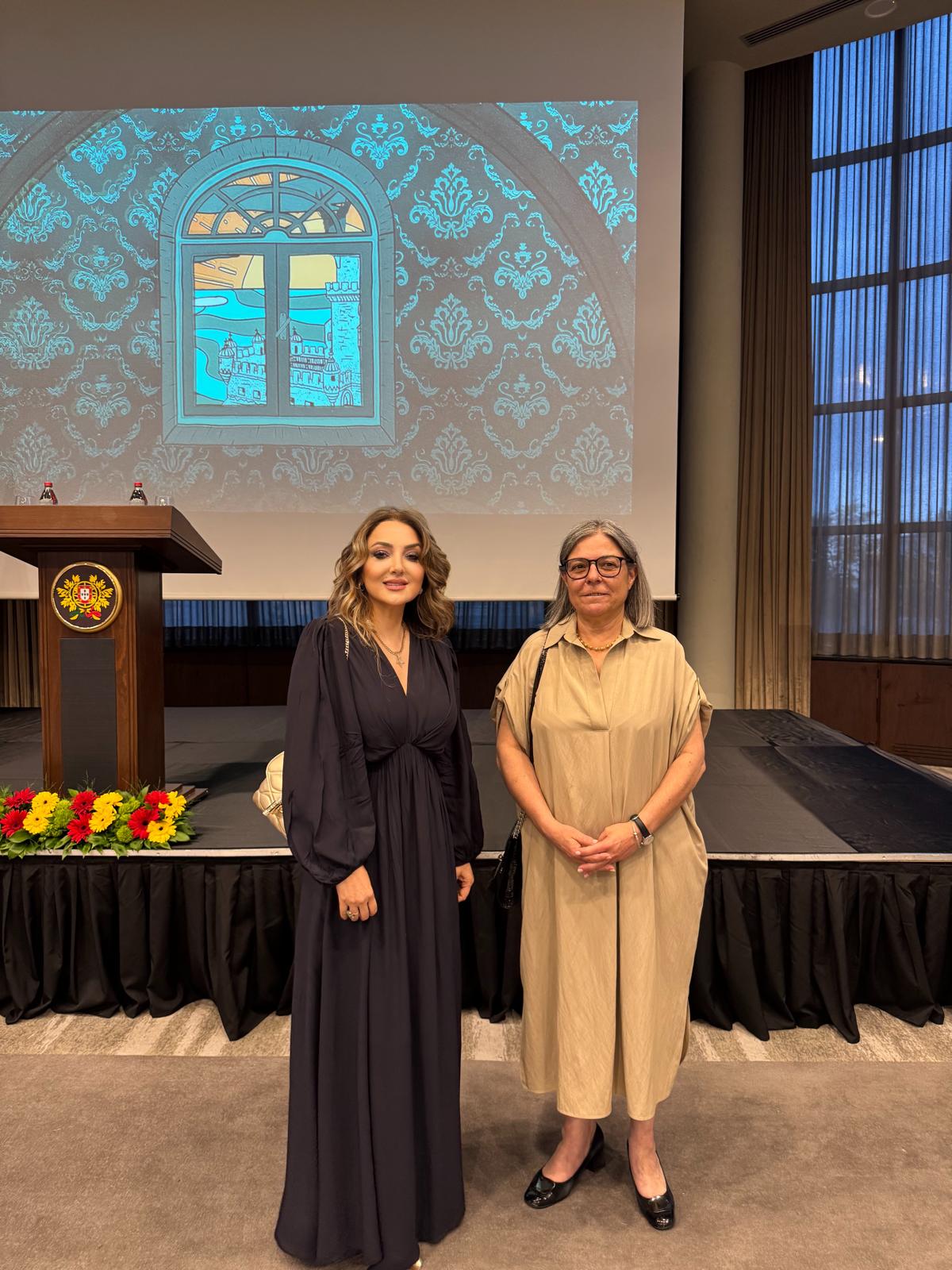 11.06.2026ULUSKON PRESIDENT ATASOY ATTENDED THE PORTUGAL NATIONAL DAY RECEPTION
 -
 10.06.2026A Joyous Day for the Atasoy Family
 -
 19.05.2026Atasoy: May 19 Message
 -
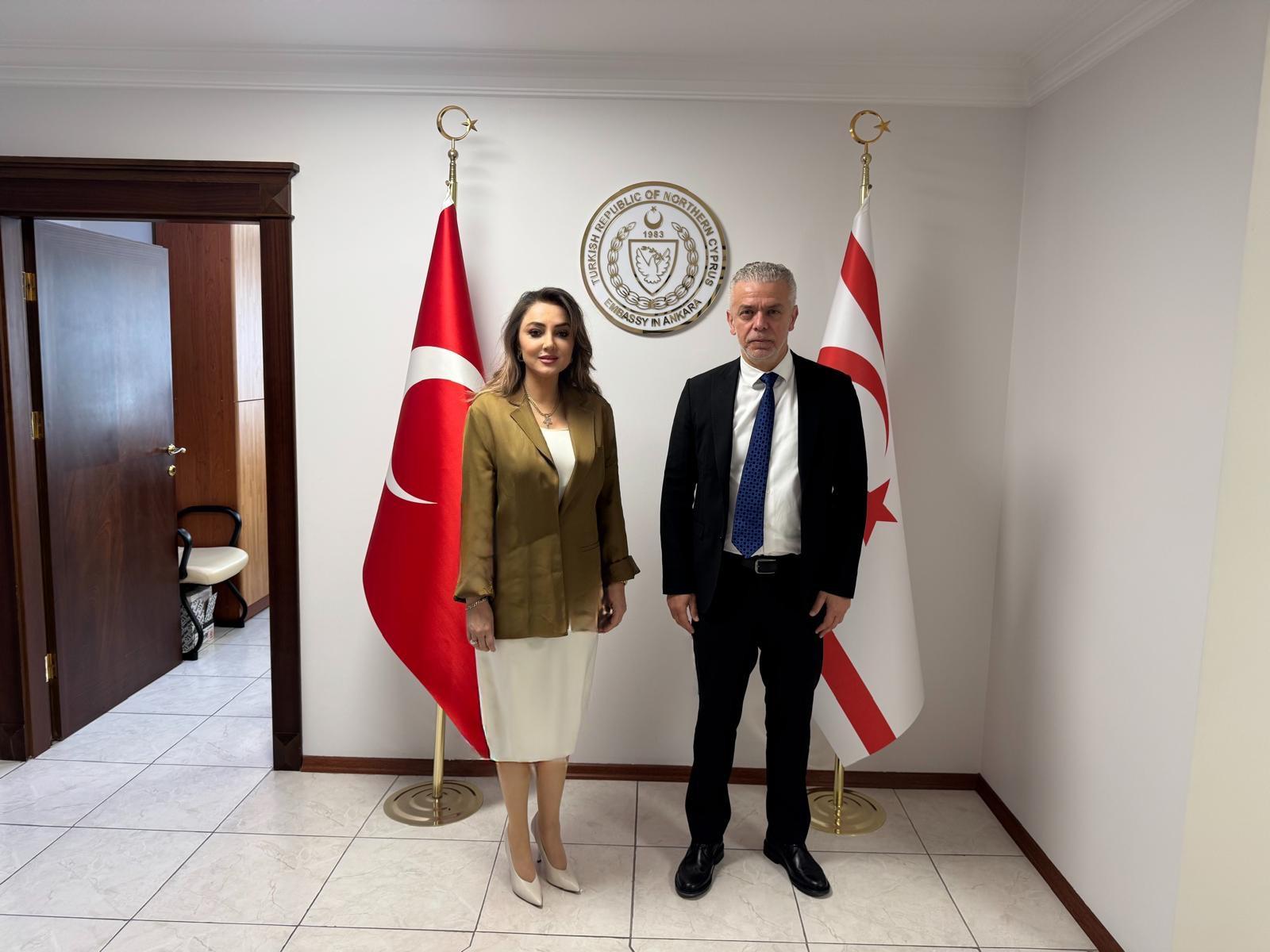 18.05.2026Strategic Visit to TRNC from President Atasoy
 -
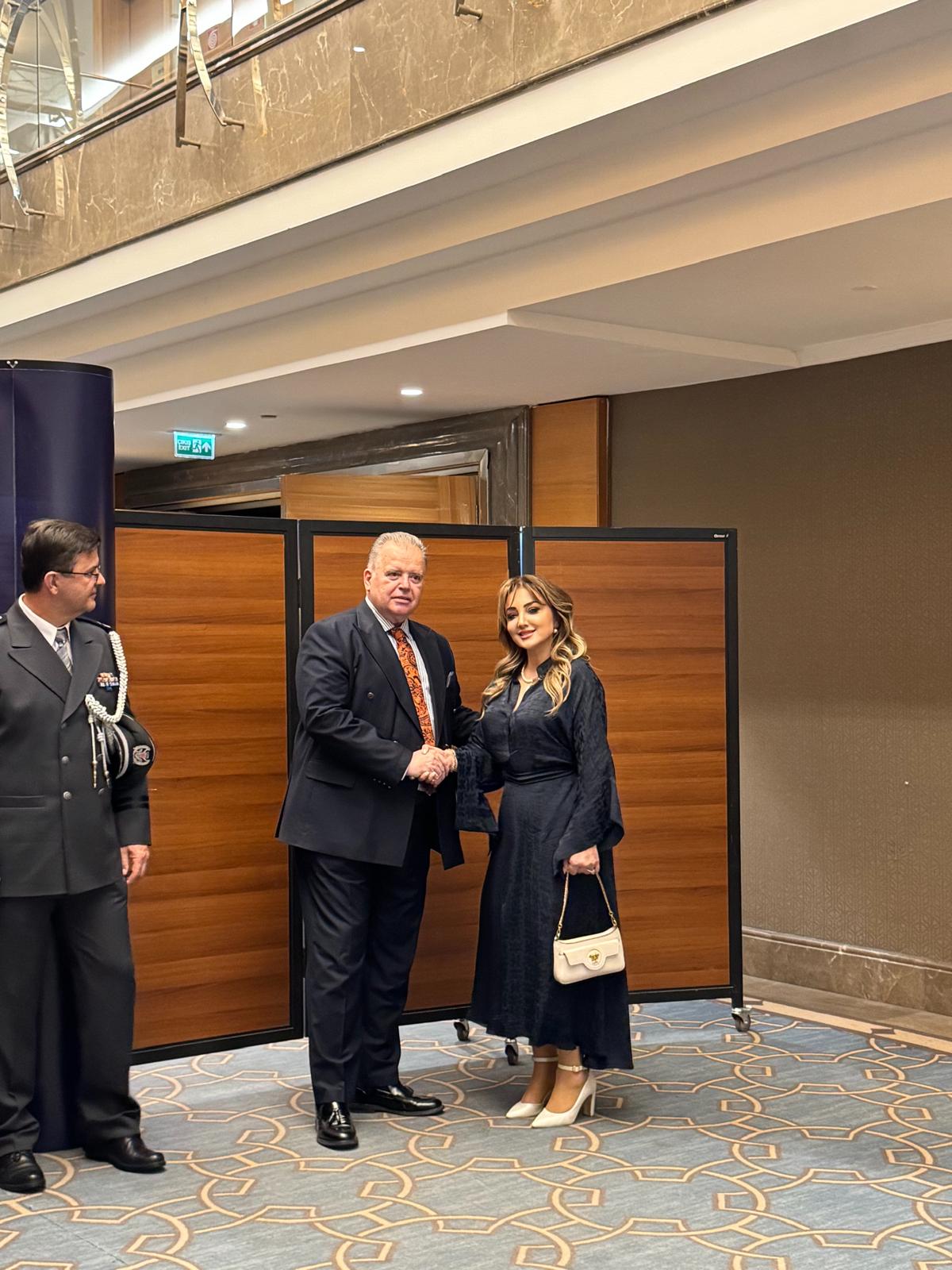 12.05.2026CROATIA’S NATIONAL DAY RECEPTION: A BREEZE OF DIPLOMACY IN ANKARA
 -
%20kopyas%C4%B1%20kopyas%C4%B1%20kopyas%C4%B1.png) ULUSKON President Atasoy Holds Talks with Nigeria’s Iyaloja General
ULUSKON President Atasoy Holds Talks with Nigeria’s Iyaloja General -
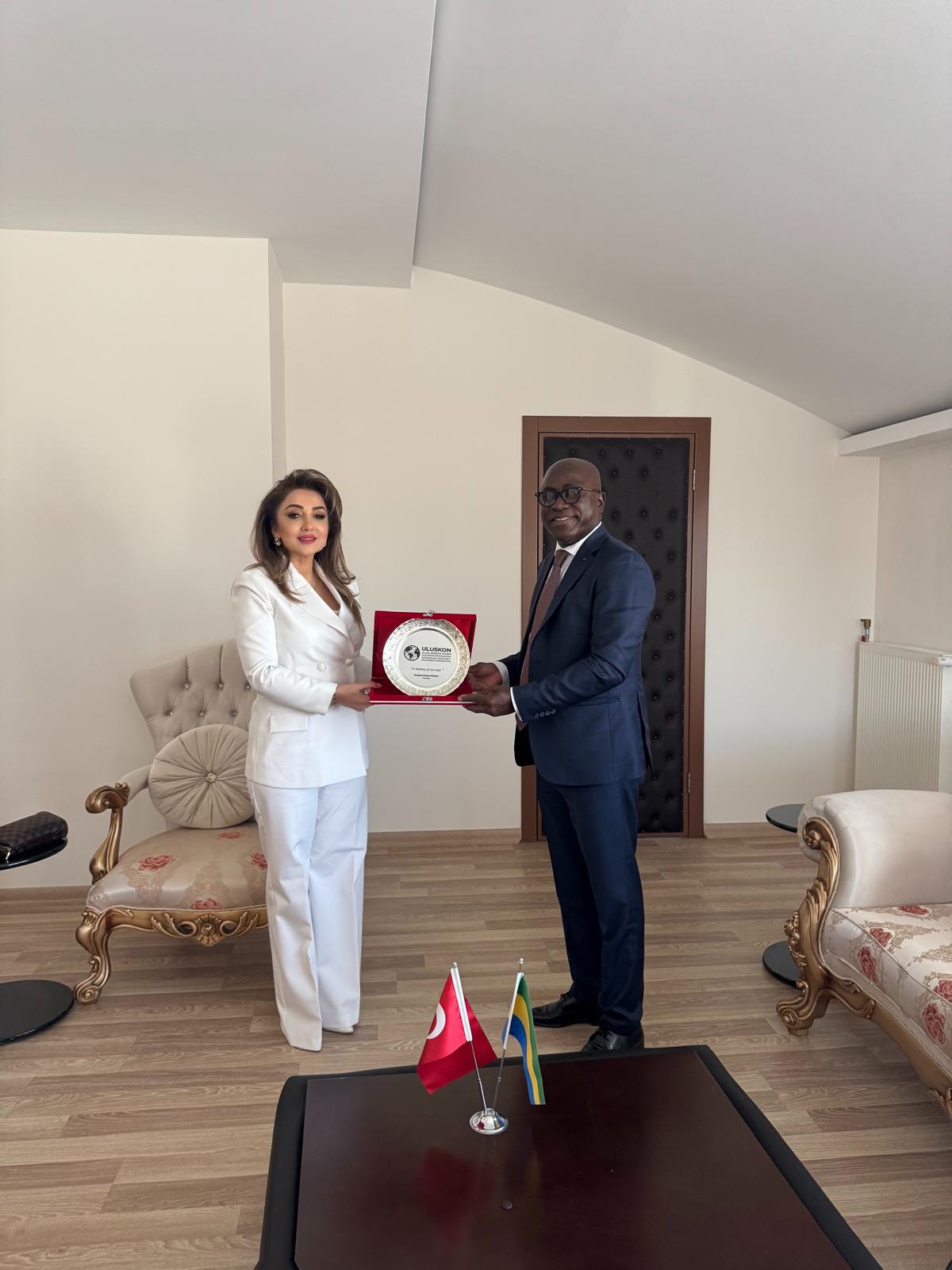 27.04.2026Diplomatic Visit to Gabon by President Atasoy
 -
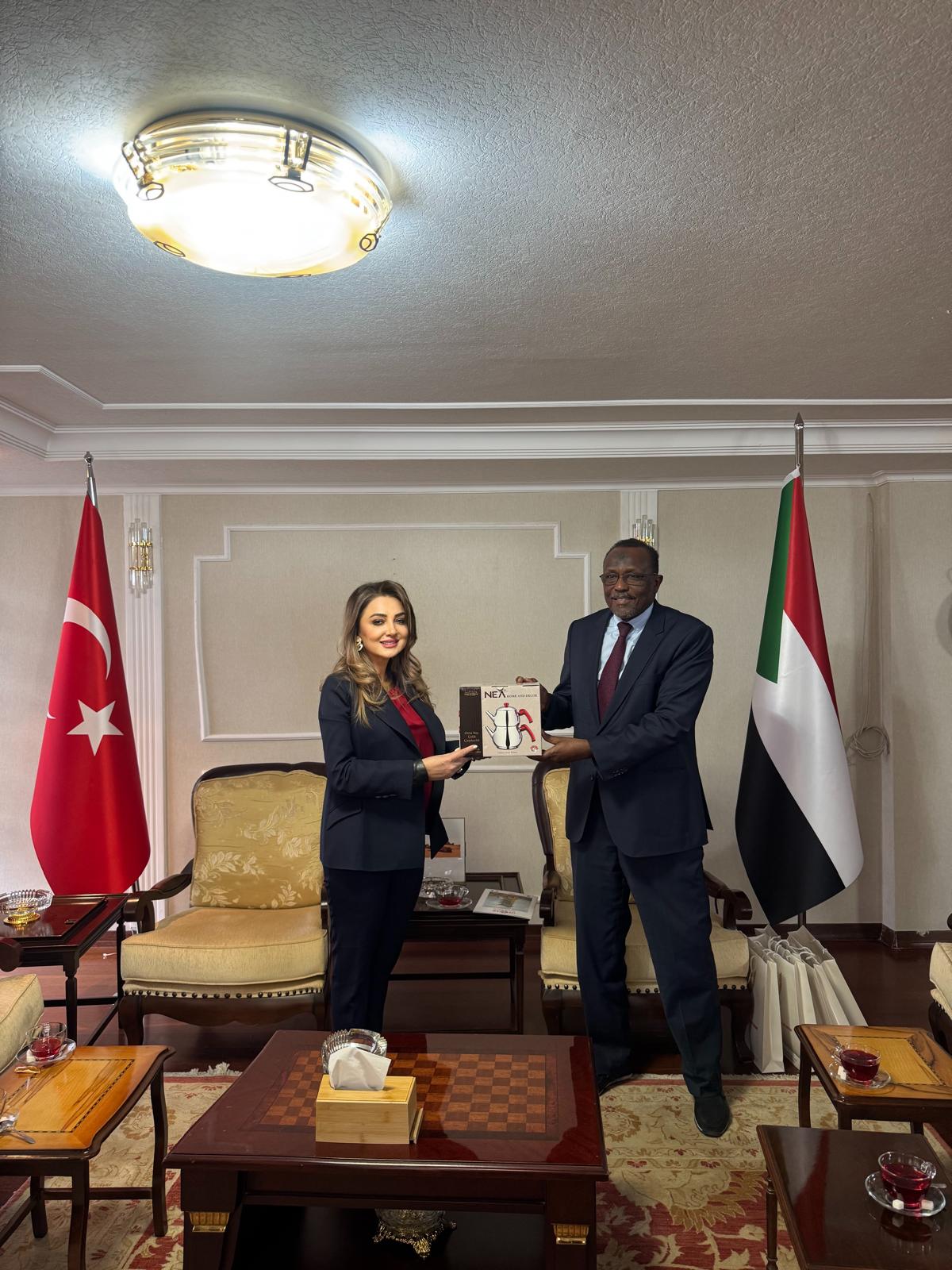 13.04.2026New Trade Bridge Between Türkiye and Sudan: Strategic Move by ULUSKON